SKC Blog - Ground-Up Construction: A Month-by-Month Timeline
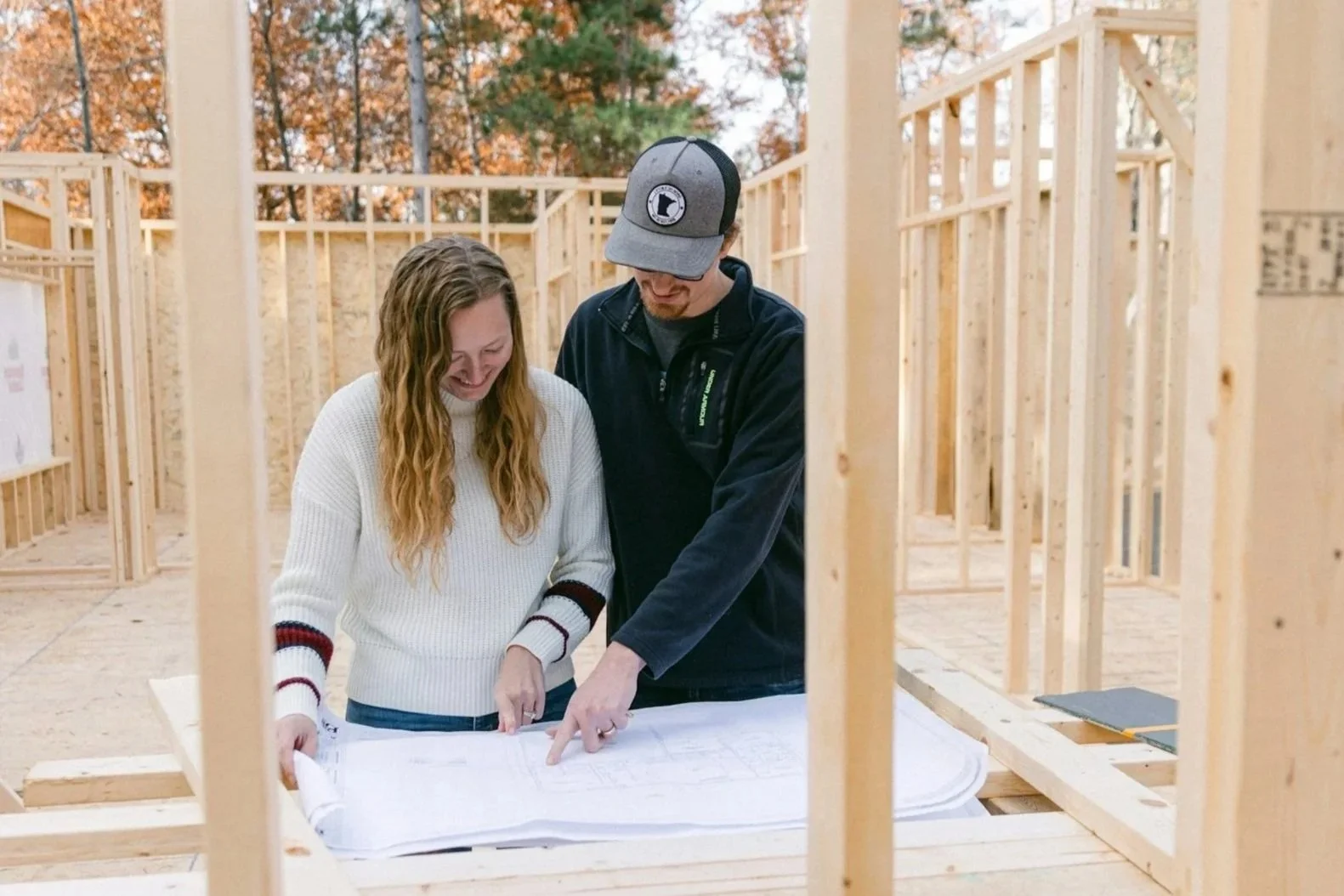
From Breaking Ground to Completion
Building a new home from the ground up is an exciting journey. From the first day of excavation to the final walkthrough, each stage plays a critical role in creating a high-quality, long-lasting home.
Understanding what happens month by month helps set realistic expectations, reduces stress, and keeps your project moving smoothly.
Here’s a general timeline of what most ground-up residential construction projects look like, from breaking ground to move-in day.
Month 1: Site Preparation & Foundation
This is where your project officially begins.
During the first month, work typically includes:
* Site clearing and grading
* Excavation
* Soil preparation
* Footing installation
* Foundation forming and pouring
* Foundation waterproofing
* Drainage installation
* Backfilling
By the end of this stage, your home has a solid structural base and is ready to be built upon.
Weather and soil conditions can affect this phase, so some flexibility is often required.
Month 2: Framing & Structural Shell
Once the foundation is complete, framing begins.
This is when your home starts to take shape.
Work during this phase includes:
* Floor system installation
* Wall framing
* Roof framing
* Sheathing
* Structural inspections
By the end of Month 2, you’ll be able to walk through your home and see the room layout and overall size.
Many homeowners say this is when the project truly feels real.
Month 3: Roofing, Windows & Exterior Envelope
This month focuses on making the home “weather tight.”
Key tasks include:
* Roofing installation
* Window and exterior door installation
* House wrap and air barrier systems
* Flashing and sealing
* Exterior insulation (if applicable)
Once complete, your home is protected from the elements, allowing interior work to proceed efficiently.
A properly sealed building envelope is critical for energy efficiency and long-term durability.
Month 4: Mechanical Rough-Ins
With the structure enclosed, mechanical systems are installed.
This includes:
* Plumbing rough-in
* Electrical wiring
* HVAC ducting and ventilation
* Smart home and security wiring (if included)
* Mechanical inspections
These systems are installed inside walls and floors before insulation and drywall.
Careful planning at this stage ensures comfort, safety, and future flexibility.
Month 5: Insulation & Drywall
This phase transforms your home from a construction site into a recognizable living space.
Work typically includes:
* Wall and ceiling insulation
* Vapour barrier installation
* Energy inspections
* Drywall hanging
* Taping and finishing
Once drywall is complete, your home feels enclosed and substantially closer to completion.
Month 6: Interior Finishes & Exterior Work
This is one of the most exciting stages, as your personal style begins to show.
Work during this phase includes:
* Interior painting
* Flooring installation
* Cabinetry and millwork
* Tile work
* Countertops
* Staircases and railings
* Exterior siding or cladding
* Decks and porches (weather permitting)
You’ll begin to see your design choices come together in a meaningful way.
Month 7: Fixtures, Trim & Final Systems
This month focuses on detail work and system completion.
Typical tasks include:
* Plumbing fixture installation
* Electrical fixtures and lighting
* Appliance installation
* Interior doors and trim
* Baseboards and casing
* HVAC commissioning
* Final system testing
Attention to detail during this phase ensures quality, comfort, and long-term performance.
Month 8: Final Inspections & Occupancy
The final month is about ensuring everything meets regulatory standards and quality expectations.
This includes:
* Building inspections
* Energy compliance verification
* Deficiency corrections
* Final walkthrough
* Occupancy permit approval
* Site cleanup and landscaping touch-ups
Once these steps are complete, your home is ready for move-in.
What Can Affect the Timeline?
While this timeline represents a typical build, several factors can influence the schedule:
* Weather conditions
* Material availability
* Permit or inspection delays
* Custom design complexity
* Client change requests
* Trade availability
A good builder plans for contingencies and communicates openly when adjustments are needed.
Why a Structured Timeline Matters
A clear construction timeline helps:
✔ Set realistic expectations
✔ Improve coordination between trades
✔ Reduce delays
✔ Maintain quality standards
✔ Protect your investment
It also allows homeowners to stay informed and engaged throughout the process.
Your Partner from Start to Finish
New construction is more than assembling materials, it’s about careful planning, skilled execution, and strong communication.
From breaking ground to handing over the keys, our team is committed to delivering homes built with integrity, craftsmanship, and attention to detail.
If you’re considering a ground-up build, we’d be happy to walk you through what your timeline could look like.
Contact us today to start planning your new home.