
SKC Blog - Fencing: No Permit Required; However, There Are Rules in Nanaimo, BC
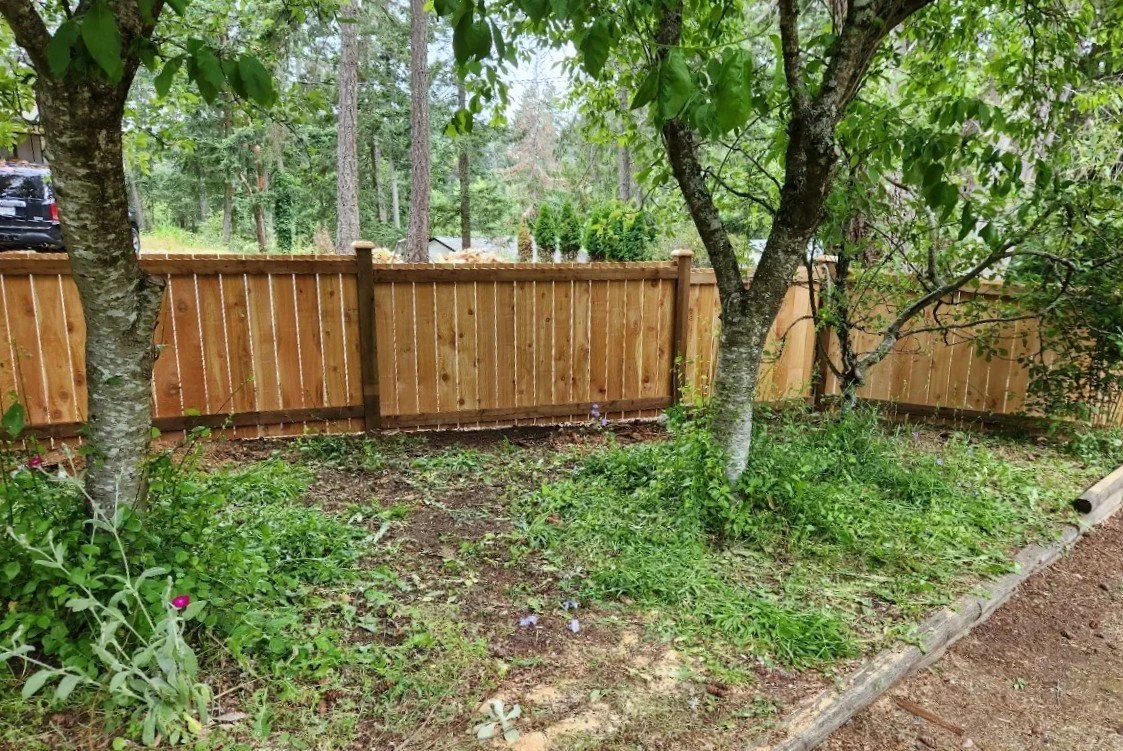
If you’re planning to build or replace a fence on your property in Nanaimo, BC, there’s some good news right away: in most cases, you don’t need a building permit for a standard residential fence.
But that doesn’t mean you can build whatever you want, wherever you want. Fencing still comes with important rules, property considerations, and bylaw requirements that homeowners often overlook.
Here’s what you need to know before you start digging post holes.
Do You Need a Permit for a Fence in Nanaimo?
For typical residential properties in Nanaimo, a permit is usually not required for fencing, as long as:
It is not a retaining wall
It is not part of a structural installation (like a gatehouse or enclosed structure)
It stays within height limits set by the city
However, even without a permit requirement, your fence must still comply with City of Nanaimo bylaws. (See downloadable PDF from City of Nanaimo at the end of this blog post)
Fence Height Rules (This Is Where Most Issues Happen)
One of the most important regulations is fence height.
While exact allowances can vary depending on zoning, general guidelines are:
Front yard: typically, lower height limits (for visibility and street safety)
Side and rear yards: higher allowances
Corner lots: additional restrictions for driver sightlines
In many cases, fences over a certain height (commonly around 2 metres / 6.5 feet in rear yards) may require special consideration or approval.
Key takeaway: Taller is not always better, especially in front-facing areas.
Property Line Rules (Avoid Costly Mistakes)
Before building a fence, you need to be absolutely sure where your property line is.
Common mistakes include:
Building directly on a neighbour’s assumed boundary
Relying on old or unofficial markers
Not checking survey documents
Best practice:
Use a land survey if there is any uncertainty
Confirm property lines before construction begins
A fence built in the wrong place can become a legal and financial issue very quickly.
Shared Fences and Neighbor Agreements
If your fence sits on or near a shared boundary, it’s considered a mutual fence situation.
While not always legally required, it’s strongly recommended to:
Discuss plans with your neighbor
Agree on location and design (if shared)
Clarify cost-sharing expectations in writing
Good communication here can prevent disputes from happening later on.
Materials and Design Considerations
Nanaimo’s coastal climate plays a big role in fencing decisions.
Popular durable options include:
Pressure-treated wood (cost-effective, but needs maintenance)
Cedar (natural look, moderate durability)
Vinyl fencing (low maintenance, consistent appearance)
Metal or aluminum (high durability, modern look)
Things to consider:
Wind exposure (especially in open or coastal areas)
Moisture and rot resistance
Maintenance expectations over time
Visibility and Safety Rules (Especially on Corner Lots)
If your property is on a corner or near a driveway, there are often sightline requirements to ensure safety for vehicles and pedestrians.
This may restrict:
Fence height near intersections
Solid panel fencing near corners
Placement of hedges or landscaping features
These rules are in place to maintain clear visibility for drivers.
Strata Rules (If Applicable)
If your home is part of a:
Strata development
Or architecturally controlled subdivision
You may have additional rules around:
Fence height and materials
Approved colour palettes
Design consistency requirements
Always check these before construction begins. They can be stricter than city bylaws.
Common Mistakes Homeowners Make
Here are a few issues that come up often in fencing projects:
Not confirming property boundaries
Ignoring height restrictions in front yards
Choosing materials not suited for coastal weather
Skipping neighbour communication
Not considering long-term maintenance
A little planning upfront avoids expensive rework later.
Final Thoughts for Nanaimo Homeowners
While fencing in Nanaimo is generally straightforward from a permitting perspective, it still comes with clear rules and practical limitations.
The best fencing projects balance:
Compliance with local bylaws
Good neighbour relationships
Durable materials suited for coastal conditions
Proper planning and placement
A well-built fence should do more than define a boundary—it should add privacy, security, and long-term value to your property.
Planning a new fence in Nanaimo? Whether you’re looking for privacy, security, or a clean modern boundary line, we can help you design and build a fence that meets local requirements and suits your property.
Get in touch to start planning your project.