
SKC Blog - Bathrooms, What You Need to Know Before Renovating
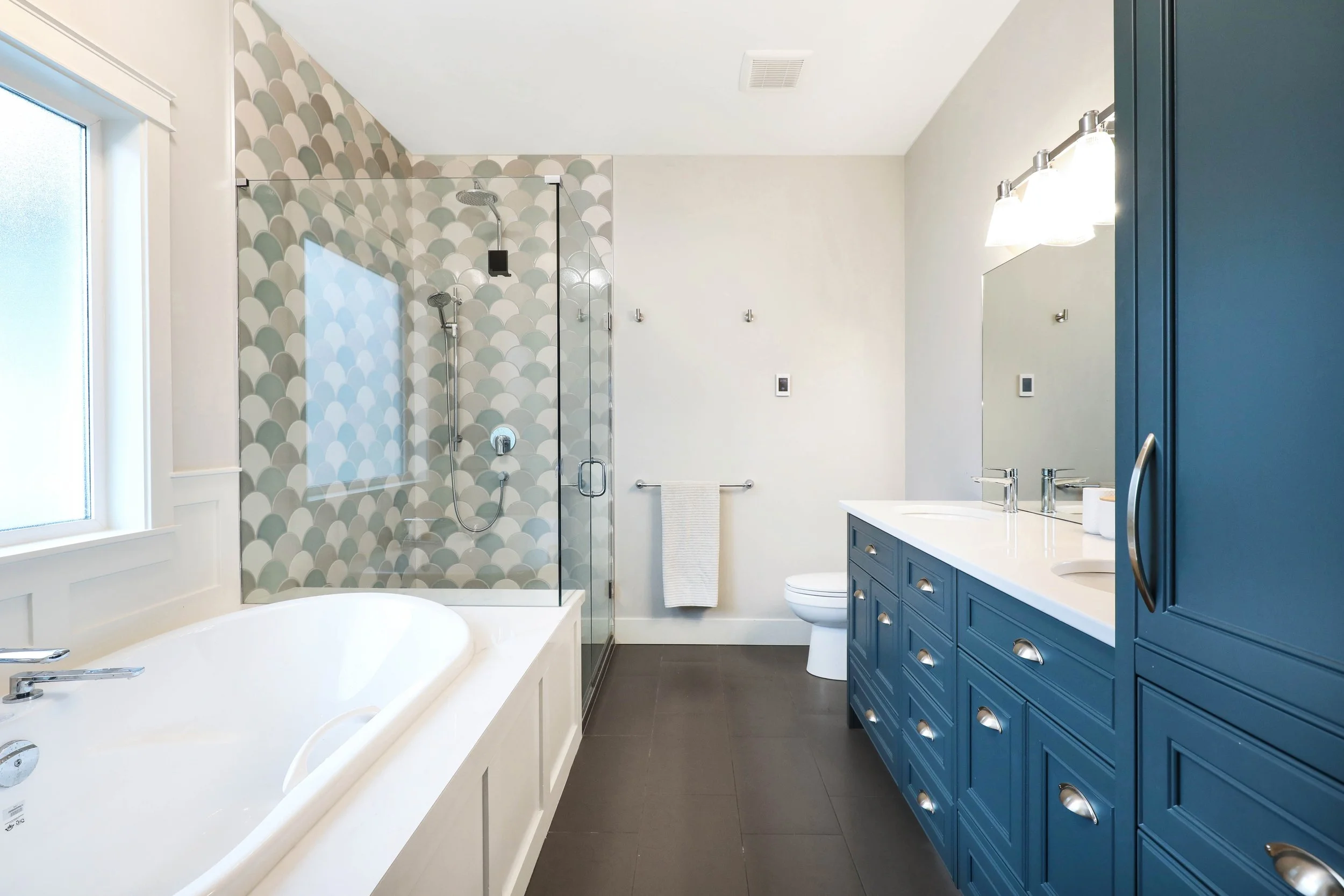
New Bathroom for Custom Home Build in Nanaimo
A bathroom renovation can make a huge difference in how your home looks, feels, and functions. Whether you're updating a tired ensuite, completely transforming a main bathroom, or creating a more accessible space, there is a lot more involved than simply choosing new tile and fixtures.
Before you start, it helps to understand what goes into a bathroom renovation, where unexpected costs can arise, and which decisions are best made before construction begins.
Here are some of the most important things to consider before renovating your bathroom.
Start With How You Want the Bathroom to Function
Before choosing finishes, think about how you use the space.
Is the bathroom too small? Do you need more storage? Is the shower difficult to use? Would a larger vanity make mornings easier? Are you planning to age in place and want a more accessible shower?
A good renovation should solve problems, not just change the appearance of the room.
Consider things such as:
Storage and vanity space
Shower size and layout
Tub versus shower
Lighting
Ventilation
Accessibility
Number and location of electrical outlets
Towel and toilet paper placement
Heated flooring
Future needs
Thinking through these details early can help you create a bathroom that works well for years to come.
Decide Whether You Are Changing the Layout
One of the biggest factors affecting the cost of a bathroom renovation is whether you are keeping the existing layout or moving plumbing and electrical.
Keeping the toilet, vanity, and shower in roughly the same locations can often help control costs. Changing the layout may create additional work involving plumbing, electrical, framing, drywall, and flooring.
That doesn't mean you shouldn't change the layout. Sometimes moving a fixture is exactly what is needed to make the bathroom function properly. It simply needs to be considered early so the design and budget reflect the additional work.
Don't Overlook What Is Behind the Walls
One of the biggest differences between a cosmetic update and a proper bathroom renovation is what happens behind the finished surfaces.
Once walls, flooring, or a shower are opened up, your contractor may uncover issues that weren't visible before construction began. These can include:
Water damage
Mould or deterioration
Outdated plumbing
Improper previous renovations
Framing issues
Electrical deficiencies
Insufficient waterproofing
Not every bathroom will have hidden problems, but it's important to allow some room in your budget for the unexpected; particularly in older homes.
Waterproofing Is Critical
Beautiful tile won't protect your bathroom if the waterproofing underneath it isn't done properly.
Showers and other wet areas require careful attention to waterproofing, drainage, transitions, and installation details. These are parts of the renovation you won't necessarily see once the project is complete, but they are some of the most important.
This is one area where choosing an experienced renovation contractor can make a significant difference. The goal isn't simply to create a bathroom that looks great on completion day; it's to create one that performs properly for years to come.
Choose Your Materials Before Construction Begins
There are countless options for bathroom finishes, and the price range can vary considerably.
Tile, plumbing fixtures, vanities, countertops, mirrors, lighting, shower glass, hardware, and accessories can all have a significant impact on the final cost.
Before construction begins, it's helpful to have a clear idea of your preferred materials and finishes. This allows your contractor to build a more accurate estimate and helps prevent delays caused by waiting for selections to be finalized.
If you're working with a specific budget, your material selections are also one of the areas where you may have opportunities to adjust the overall project cost.
Think About Lighting
Bathrooms need more than a single ceiling light.
A well-designed bathroom typically benefits from a combination of general lighting and task lighting. Vanity lighting is particularly important because shadows from poorly positioned fixtures can make it difficult to use the mirror effectively.
You may also want to consider:
Pot lights
Vanity lighting
Shower lighting
Dimmable fixtures
Heated mirrors
Night lighting
Lighting is relatively easy to overlook during the design stage, but it can have a major impact on the finished space.
Ventilation Matters More Than You Think
Bathrooms produce a significant amount of moisture, making proper ventilation essential.
A properly sized and installed exhaust fan helps remove moisture and can reduce the risk of condensation and long-term damage. If you're renovating an older bathroom, it is worth having the existing ventilation system assessed rather than simply reconnecting the old fan.
A quieter, more effective exhaust fan can be a worthwhile upgrade; especially in a frequently used bathroom or ensuite.
Plan for Storage
A bathroom can look beautiful and still be frustrating if there isn't enough storage.
Think about what you actually need to store and where those items will go. Towels, toiletries, cleaning supplies, hair tools, toilet paper, and everyday products all need a home.
Depending on the space, options might include:
A larger vanity
Built-in shower niches
Linen storage
Medicine cabinets
Recessed shelving
Custom cabinetry
Good storage should be part of the layout from the beginning rather than an afterthought.
Understand Your Budget
Bathroom renovations can vary significantly in price depending on the size of the room, scope of work, materials, and whether the layout is changing.
As a general starting point, a professionally renovated bathroom using mid-range materials can often fall in the $25,000–$40,000 range. Once you start changing the layout, the cost increases quite a bit as you are often relocating plumbing, electrical, framing and drywall, although every project is different.
The best way to establish a realistic budget is to first determine the scope of work and then make your material selections. This gives you a much clearer picture of where your money is going and where there may be opportunities to adjust the scope if needed.
Don't Forget the Timeline
Bathroom renovations involve much more than demolition and installation. Depending on the project, the schedule may involve design, material selections, permits, demolition, plumbing, electrical, waterproofing, tile installation, cabinetry, countertops, painting, and final finishing.
Some materials can also have longer lead times than others.
Planning your selections and ordering materials early can help keep the project moving and reduce unnecessary delays.
If you only have one bathroom in your home, you'll also want to discuss how long the space is expected to be out of service and plan accordingly.
Work With the Right Contractor
A bathroom may be one of the smaller rooms in your home, but a renovation can involve several different trades and a lot of coordination.
An experienced renovation contractor can help coordinate the various stages of the project, identify potential issues early, help you make decisions that fit your budget, and ensure the work comes together properly.
At Shining Knight Construction, we approach bathroom renovations with the same focus we bring to every project: thoughtful planning, quality workmanship, clear communication, and attention to the details that matter.
Ready to Start Planning Your Bathroom Renovation?
The best bathroom renovations start well before demolition begins.
By thinking through the layout, functionality, materials, storage, lighting, budget, and potential issues ahead of time, you can make more informed decisions and create a bathroom that looks great and works for your home.
If you're considering a bathroom renovation in Nanaimo or Central Vancouver Island, Shining Knight Construction can help you understand the scope of your project and determine the best way to move forward.
Check out our Bathroom Renovations Page and get a quick bathroom estimate.