
SKC Blog - Energy Efficiency; How Modern Insulation and Smart Tech Can Save You Thousands in Energy Bills
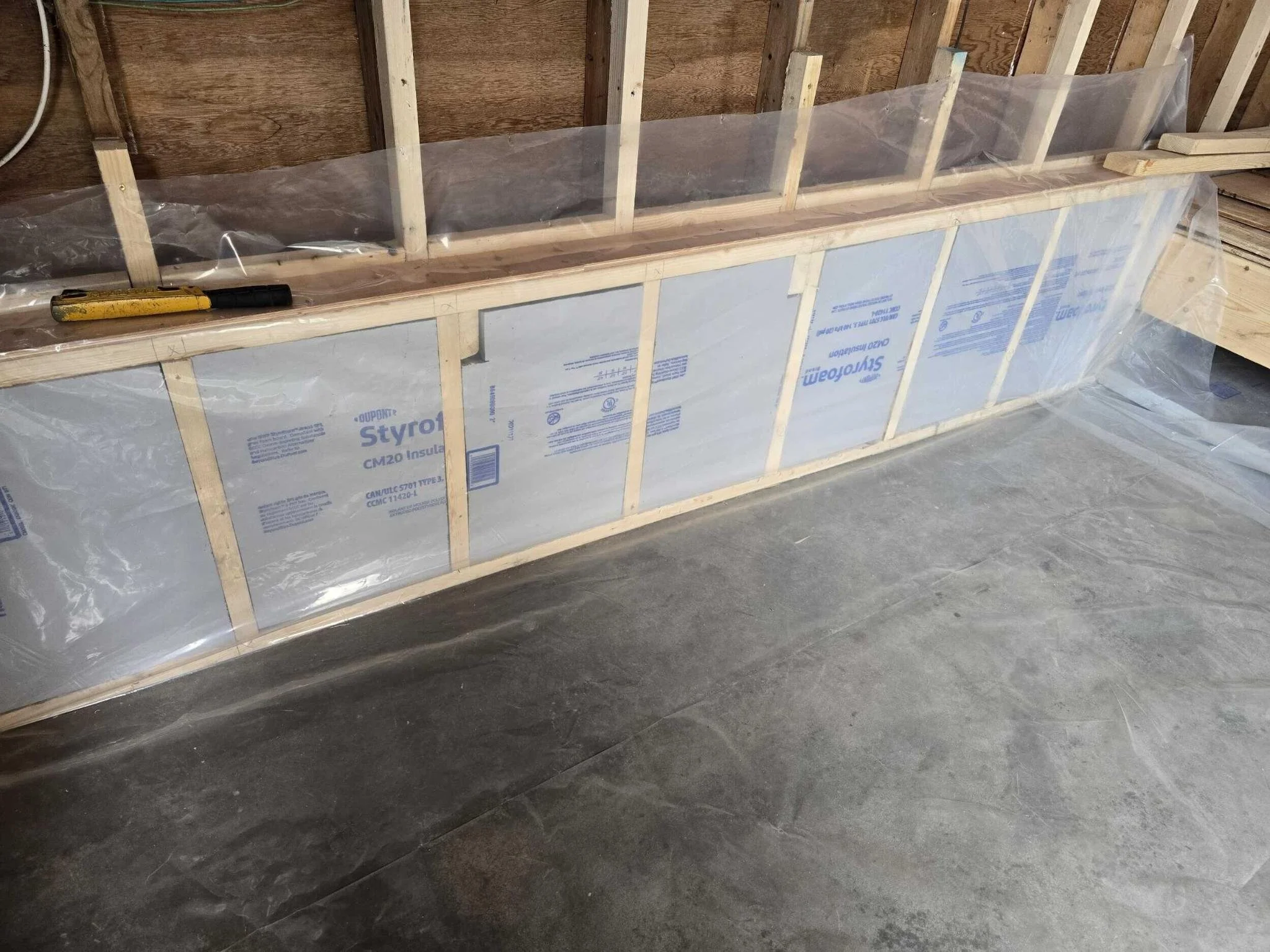
New Home Build in Nanoose using Styrofoam insulation providing higher R-Value, moisture resistance, and air sealing.
When planning a home renovation or custom home, energy efficiency may not be the first thing that comes to mind. Most homeowners are focused on the visible improvements; new flooring, beautiful cabinetry, updated bathrooms, or creating a more functional layout.
But some of the most valuable improvements happen behind the walls.
Modern insulation, high-performance windows, efficient heating and cooling systems, and smart home technology can dramatically improve how your home uses energy. The result is a home that is more comfortable year-round, costs less to heat and cool, and can save you money over the long term.
At Shining Knight Construction, we believe a well-built home should not only look great, it should perform well too.
Why Energy Efficiency Matters
An energy-efficient home is designed to use less energy while maintaining a comfortable indoor environment.
That means your heating system doesn't have to work as hard in the winter, your home stays cooler in the summer, and less conditioned air escapes through gaps in the building envelope.
For homeowners, the benefits go beyond lower utility bills.
Improving energy efficiency can provide:
Lower heating and cooling costs
More consistent indoor temperatures
Fewer drafts and cold spots
Improved indoor comfort
Better indoor air quality when ventilation is properly designed
Reduced wear and tear on heating and cooling equipment
A smaller environmental footprint
Increased long-term value and appeal
The key is to think about your home as a complete system rather than looking at individual upgrades in isolation.
Modern Insulation: More Than Just Keeping Your Home Warm
Insulation has come a long way. While traditional insulation products are still widely used, modern construction and renovation techniques allow homeowners to improve both the thermal performance and airtightness of their homes.
Insulation works by slowing the movement of heat through your home's walls, roof and floors. During the winter, it helps keep the heat inside. During the summer, it helps keep unwanted heat outside.
But simply adding more insulation isn't always the answer.
The quality of the installation matters just as much.
Gaps, compression, poor detailing and areas where insulation is interrupted can create opportunities for heat to escape. This is why proper installation and attention to the entire building envelope are so important.
Where Should You Consider Upgrading Insulation?
Depending on your home and renovation plans, potential areas for improvement may include:
Attic and roof assemblies
Because heat rises, the attic can be a significant source of heat loss if it isn't properly insulated and air sealed.
Exterior walls
Improving wall insulation can help reduce heat transfer and create more consistent temperatures throughout your home.
Basements and crawl spaces
These areas can contribute to cold floors and uncomfortable rooms if they aren't properly insulated and sealed.
Around windows and doors
Even high-quality windows won't perform as intended if they aren't properly installed and sealed.
For major renovations, it's worth looking at insulation as part of the overall building envelope rather than treating it as an afterthought.
Air Sealing: The Often-Overlooked Piece of the Puzzle
Insulation and air sealing work together, but they aren't the same thing.
Insulation slows heat transfer. Air sealing helps stop unwanted air movement.
Small gaps and penetrations around electrical outlets, plumbing, windows, doors and other areas can allow conditioned air to escape and outside air to enter.
During a renovation, identifying and addressing these areas can make a noticeable difference in comfort and energy performance.
This is especially important when you're already opening walls or ceilings. If the opportunity exists to improve the building envelope while the structure is accessible, it can be much more cost-effective than trying to address the same issue later.
Windows and Doors Can Make a Big Difference
Older windows and exterior doors can be another source of heat loss.
Modern high-performance windows are designed with improved glazing, frames and seals to reduce heat transfer. Depending on the home, upgrading windows can help reduce drafts, improve comfort and make rooms easier to heat and cool.
However, windows should be considered as part of the entire wall assembly.
A high-performance window paired with poor installation or inadequate air sealing won't deliver its full potential.
That's why proper installation and integration with the building envelope are just as important as the window itself.
Smart Technology Can Help You Use Less Energy
Energy efficiency isn't only about what's inside your walls.
Today's smart home technology can help homeowners understand and control how their home uses energy.
Smart thermostats are one of the simplest examples.
Instead of heating or cooling your home to the same temperature all day, a smart thermostat can adjust the temperature based on your schedule and preferences. Some systems can also learn patterns over time or allow you to make adjustments remotely.
Other Smart Technology to Consider
Depending on your home and goals, smart technology can include:
Smart thermostats
Programmable lighting
Smart switches and controls
Energy monitoring systems
Smart blinds and shades
High-efficiency heat pumps
Zoned heating and cooling
Smart ventilation controls
Energy-efficient appliances
The goal isn't to fill your home with technology just for the sake of having it.
The best smart-home upgrades are the ones that make your home more comfortable, convenient and efficient.
Heat Pumps and Efficient Heating Systems
Heating is one of the biggest energy expenses for many Canadian homeowners, making your heating system an important part of your home's overall efficiency.
Modern heat pumps can provide both heating and cooling while using energy differently than traditional heating systems.
When paired with a well-insulated and properly sealed home, an efficient heating system doesn't have to work as hard to maintain a comfortable temperature.
The right system depends on your home's size, existing infrastructure, insulation levels and how you use your space, so it's important to look at the entire home rather than choosing equipment based on efficiency ratings alone.
Don't Forget About Ventilation
A more airtight home is generally a more energy-efficient home—but your home still needs fresh air.
That's where proper ventilation comes in.
Modern ventilation systems can help provide controlled fresh air while reducing unnecessary energy loss. In some homes, heat-recovery ventilation can capture heat from outgoing air and transfer it to incoming fresh air.
This allows you to improve indoor air quality without simply opening windows and allowing conditioned air to escape.
For major renovations and new construction, ventilation should be considered as part of the overall design from the beginning.
Energy Efficiency Starts With the Building Envelope
One of the biggest mistakes homeowners can make is looking at energy upgrades individually.
For example, you could install a highly efficient heating system, but if your home has significant air leakage and poor insulation, that system still has to work harder than necessary.
Instead, think of your home as a system:
Insulation → Air Sealing → Windows & Doors → Heating & Cooling → Ventilation → Smart Controls
When these components work together, you can create a home that is significantly more comfortable and efficient.
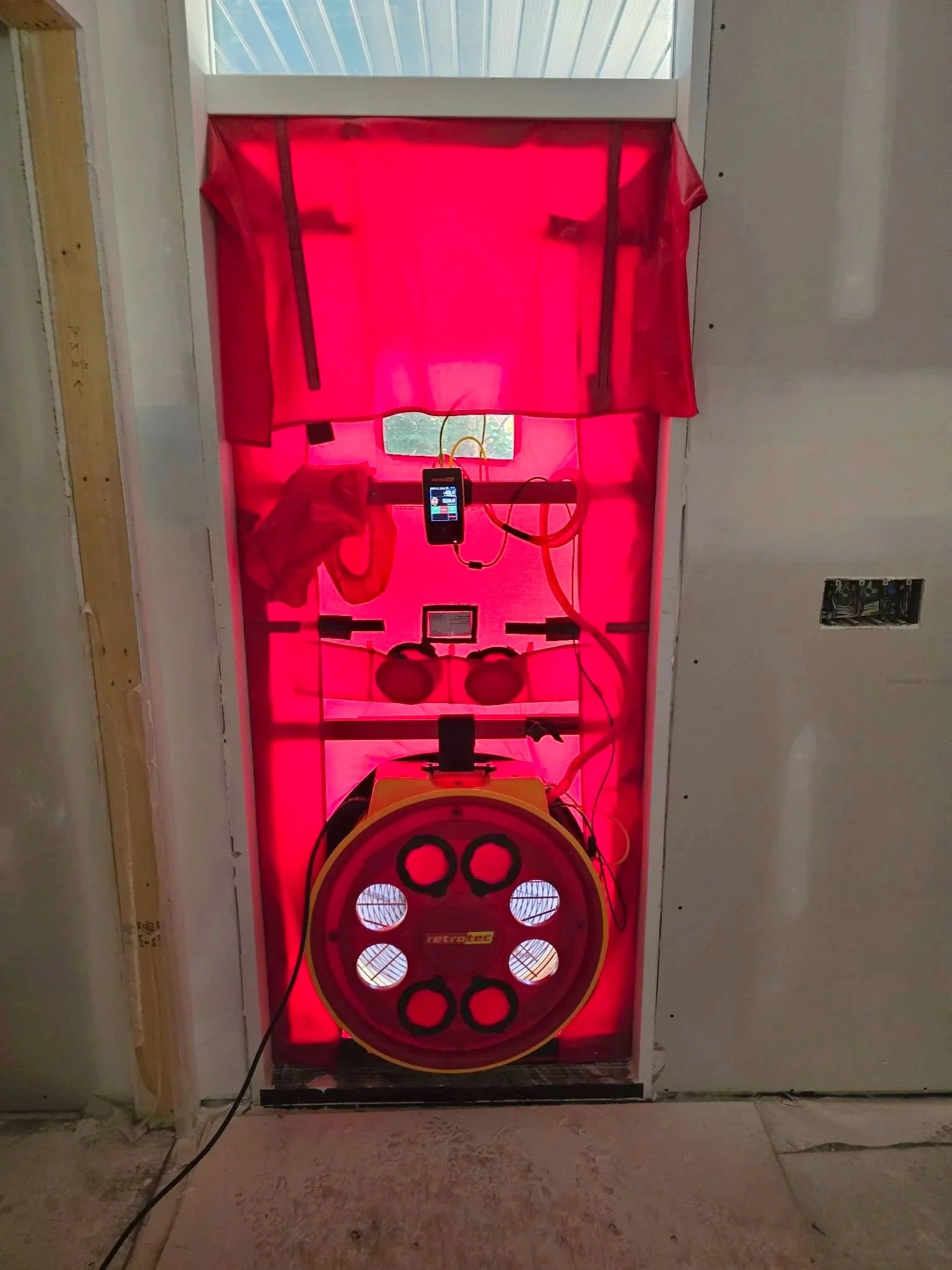
Performing a Door Blower Test at our Nanoose new build to assess for air leaks. This will lower energy bills, ensure good air quality and ensure proper ventilation
When Should You Make These Upgrades?
The best time to improve energy efficiency is often when you're already renovating.
If you're opening walls, replacing siding, renovating a basement, replacing windows or completing a major addition, you may already have access to areas of the building envelope that would otherwise be difficult or expensive to reach.
Combining improvements can reduce duplicated labour and allow different components of the project to work together.
For example, a major renovation may be an opportunity to:
Upgrade insulation
Improve air sealing
Replace windows and doors
Upgrade heating and cooling
Improve ventilation
Install smart controls
Improve lighting and electrical systems
Instead of thinking about energy efficiency as a separate project, consider incorporating it into the renovation you're already planning.
Will Energy-Efficient Upgrades Pay for Themselves?
There isn't a single answer for every home.
The potential savings depend on factors such as:
The age and condition of your home
Existing insulation levels
Window and door performance
Your current heating system
The size of your home
How your family uses the home
Energy prices
The specific upgrades you choose
Some upgrades can provide noticeable savings relatively quickly, while others are more about long-term comfort, durability and future-proofing your home.
The best approach is to prioritize improvements that make sense for your home and your renovation goals, rather than simply choosing the most expensive or highest-rated product available.
Build a More Efficient Home From the Inside Out
Energy efficiency doesn't have to mean sacrificing comfort, style or functionality.
In fact, many of the improvements that make a home more energy efficient also make it a better place to live.
Better insulation can mean fewer cold rooms.
Better windows can mean fewer drafts.
Smart controls can make your home easier to manage.
Efficient heating can provide more consistent comfort.
Proper ventilation can improve indoor air quality.
And when these improvements are planned together, they can help reduce energy consumption and operating costs for years to come.
Planning an Energy-Efficient Renovation?
If you're considering a renovation, addition or custom home in the Nanaimo and Vancouver Island area, we'd be happy to discuss opportunities to improve your home's energy performance as part of the project.
At Shining Knight Construction, we believe quality construction is about more than what you see; it’s about building homes that are comfortable, durable and designed to perform for years to come.
Ready to start planning? Get in touch with our team to discuss your project.